
Okay, so real talk: how many times have you chopped up veggies, looked at all those stems, peels, and sad little bits, and just tossed ’em? Same. It felt super wasteful, and honestly, buying veggie broth all the time adds up! That’s why I’m obsessed with this Zero-Waste Vegetable Broth. It’s seriously a game-changer for your kitchen and your wallet.
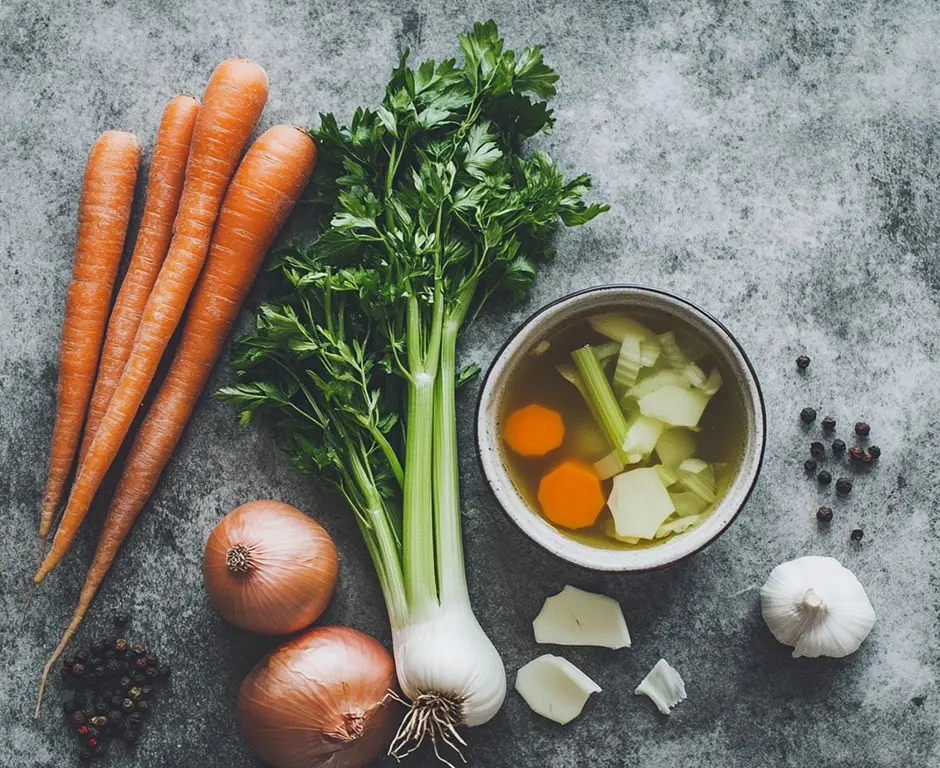
This isn’t just any broth; it’s your broth, made from ingredients you would’ve trashed. Making your own easy Zero-Waste Vegetable Broth recipe means you control the flavor, the sodium, everything. It’s packed with nutrients, adds incredible depth to any dish, and lets you feel like a sustainable kitchen wizard. If you’ve been wondering how to make the best Zero-Waste Vegetable Broth that actually tastes good, you’re in the right place. Get ready to turn your “trash” into liquid gold!
Serving and Pairing Suggestions
This homemade Zero-Waste Vegetable Broth is basically a foundational ingredient for so many amazing meals. Think of it as the ultimate flavor booster! Use it as the base for:
- A comforting bowl of Vegan Mushroom Risotto – seriously creamy and so good.
- A warming Spicy Moroccan Lentil Soup on a chilly evening.
- The ultimate Creamy Butternut Squash Soup for those cozy vibes.
- A hearty Instant Pot Beef Stew or a cozy Classic Japanese Ramen.
- It’s also perfect for making your own Homemade Tomato Sauce or Classic Marinara Sauce from scratch.
- For something a bit different, try it in Turkish Yogurt and Mint Soup or Dairy-Free French Onion Soup with Vegan Cheese.
You can also use it to cook grains like rice or quinoa for extra flavor, or just warm it up and sip it plain when you need a little cozy pick-me-up.
Tips and Notes
- Scrap Collection is Key: Keep a large freezer bag or container in your freezer labeled “Broth Scraps.” Add clean veggie scraps as you cook throughout the week. Think onion skins, carrot peels, celery ends, mushroom stems, herb stems, bell pepper cores, potato skins, and outer layers of cabbage.
- What to Avoid: Skip anything that might make your broth bitter or funky. This includes cruciferous veggies like broccoli, cauliflower, Brussels sprouts, or cabbage (unless it’s a small amount of the outer layer). Also avoid super strong herbs like rosemary in large quantities, or anything moldy.
- Aromatics are Essential: Even if you don’t have scraps, always include at least one onion, a few cloves of garlic, and some carrots and celery (the “mirepoix”) for the best flavor base.
- Don’t Overcrowd: Give your veggies room to simmer. If your pot is too full, the broth won’t get enough circulation and might not develop the deepest flavor.
- Slow Simmer for Flavor: Resist the urge to boil vigorously. A gentle simmer allows the flavors to slowly extract, giving you a richer, more complex broth. Aim for small bubbles, not a rolling boil.
- Storage Savvy: Once strained and cooled, store your broth in airtight containers in the fridge for up to 5-7 days. For longer storage, freeze it in ice cube trays, freezer bags, or mason jars (leave headspace for expansion) for up to 6 months.
So, what’s your go-to recipe where you’d totally use this awesome homemade broth? Let me know in the comments below! If you’re into more clever kitchen hacks, check out our other zero-waste recipes!
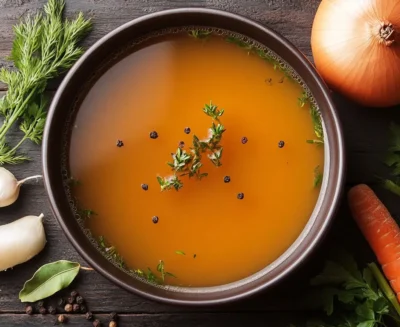
Zero-Waste Vegetable Broth
Equipment
- 1 Large pot
- 1 Strainer
- 1 Cutting board
- 1 Knife
Ingredients
- 2 cups vegetable scraps - onion peels, carrot tops, celery leaves
- 8 cups water - for soaking the scraps
- 1 tablespoon olive oil - for sautéing
- 1 bay leaf - for depth of flavor
- 1 teaspoon black peppercorns - for seasoning
- Salt to taste - for flavor adjustment
Instructions
- In a large pot, heat the olive oil over medium heat.
- Add your vegetable scraps and sauté for about 5 minutes until they are fragrant.
- Pour in the water, and add the bay leaf and black peppercorns.
- Bring to a boil, then reduce the heat and let it simmer for about 1 hour.
- After simmering, strain the broth using a strainer into a clean container.
- Adjust seasoning with salt if desired, and let it cool before storing.